

It is more useful to determine how to work instead of trying to find the highest power value when searching for an amps for the house. The appropriate system for an electric guitar, bass, or a different sound source may change. It is important in everyday use to be able to adjust at a low level, access the necessary connections and hear the instrument intelligible. Starting by writing a short list of needs can help prevent you from budgeting for features you won't use. Add the conditions of your workspace to this list.
Match links to your instrument
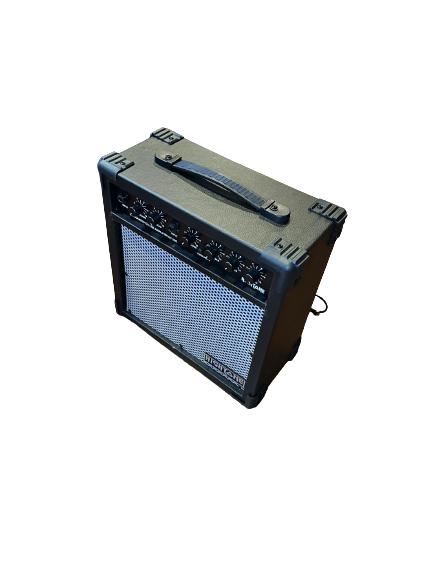
A microphone, guitar, and line-out device do not have the same input expectation. Check the sockets of the amphibious and the signal types it supports through model information. The presence of two inputs does not indicate that two different sources will be properly connected in all circumstances. When examining a product such as a Hightone two-entry combo, the function of input levels and controls should also be learned. When selecting the connection cable, don't just consider the socket to be in place.
Consider the need for headphones and recording separately
If you have a silent work goal, the headphone output must be clearly specified. It should not be used in place of a speaker output or a different port headphone connection. If you want to record on the computer, plan together the type of audio output, the audio interface, and the cables that may be required. It cannot be assumed that every amp with a USB port will transfer audio. The link scheme in the manufacturer's user manual offers a more descriptive source than just looking at the panel photo.
Power, effects and comfortable control
Watt value alone is not the exact measure of sound or home use suitability. Speakers, booths, and conditions of use also affect the outcome. When evaluating internal effects, first recognize the basic sound, then listen to changes with small settings. Repeating the same musical sentence can make the difference easier to understand. Finally, think about the device's layout, ventilation, and the need to carry it. In the power connection, follow the model's instructions; do not extract unverified technical values from the product code.
Frequently asked questions
Is there a specific watt limit for the house?
It would not be right to suggest a single value for each medium. The controllable sound level, speaker system, and mode of use should be evaluated together.
Is the effect pedal necessary from day one?
Once you know the sounds offered by the current amp, you can decide based on the function you lack. Each initial setup does not require additional pedals.