

Digital Pianos
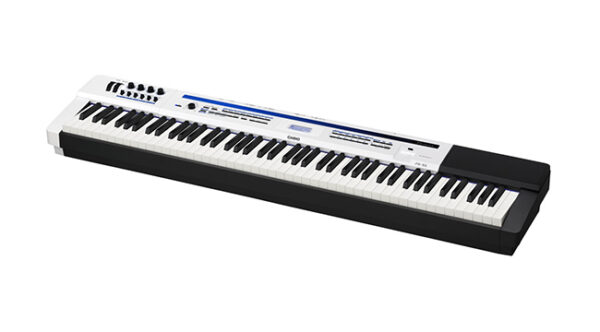
Casio PX-5S Privia Digital Piano / Synthesizer
₺101.767,89

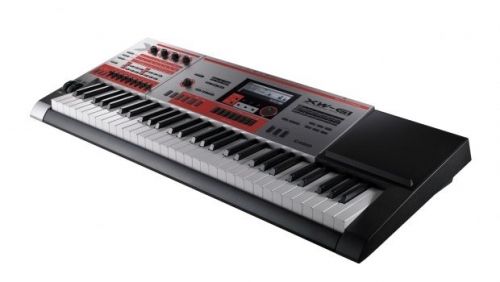
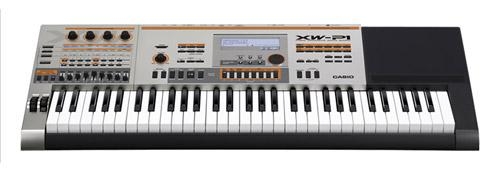
Synthesizer is an instrument used to produce and shape electronic sounds. Performing from ready-made sounds and designing their own sounds from scratch are different expectations. Think about what music to use when choosing a Synthesizer, whether it needs a body with a keyboard, and its connection to your current studio. Designs that combine analog, digital, or different approaches can be found; these names alone do not indicate that a model will be better off with each use.
The concepts of oscillators, filters, envelopes, and modulations help you understand how sound forms and changes. Not all devices use the same synthesis method. The polyphonic structure, which can play multiple notes at the same time with a monophonic structure, offers different ways of working. Examine the polyphony limit, control buttons, and sound recording layout on a model-by-model basis. Having a large number of ready-made sounds may not mean that you can easily edit the sound you are looking for.
The MIDI connection is used for control data, and the audio output is used for the signal to be heard; they need to be planned separately. Also check if the USB port is transmitting audio. Functions such as sequencer, arpejer, external input, and effect vary by model. In stage use, access to preset transitions and controls becomes important. An appropriate audio interface, cable, and listening system may be required for computer recording. Evaluate the need for portability, power adapter and stand by the workspace as well.
Synthesizer can produce sound with its own sound engine; many MIDI keyboards manage connected software or external devices. Some products offer these functions together. Examine control connections with the sound engine separately in technical specifications.
Yeah. You can start by listening to the effect of the filter and envelope settings on a single sound first. Understandable controls and a good manual make learning easier. Aim for a workflow where you can experiment regularly instead of the most features.