

The choice of Darbuka requires more than a pattern or body color. Having comfortable access to the work surface, keeping the instrument balanced, and being able to produce the needed sounds controlled affects day-to-day work. If you are looking for a product for the lesson, find out in advance what size your teacher wants. Stage, homework, and community co-ordination can produce different expectations. Therefore, it is not right to view a single model or size as the optimal option for all users.
Split the exact measure with the number
Do not use the numbers encountered in product names directly instead of the diameter in centimeters. Precise measurements are especially important when buying a spare leather or carry case. Presuming that the same number will fit one-on-one in different manufacturers can lead to the wrong piece. Check the model code, skin diameter, and connection format together. For a model such as RTM201, which is presented as no. 1 in the catalog, it is also necessary to verify the measure; the number alone does not disclose all technical details.
Try the hull and seating together
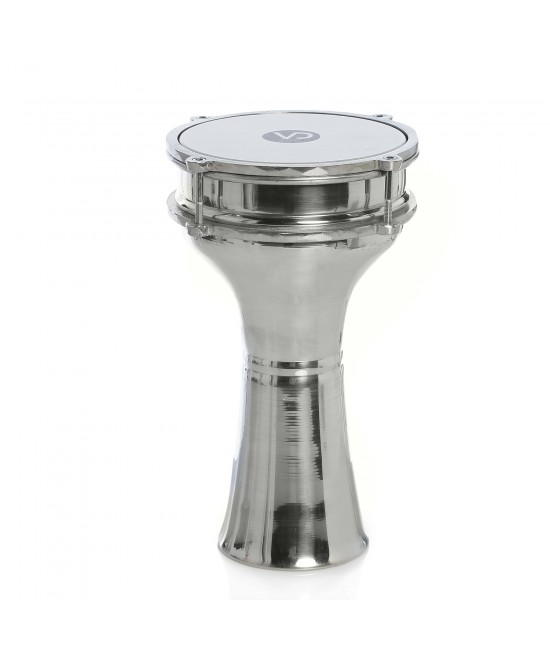
The bodies produced with aluminum or other materials can offer a different sense of weight and grip. The material name alone is not enough to rank the sound quality. When sitting and experimenting, assess whether the body is slipping, whether you can reach the edge area comfortably, and the posture of your wrists. Play the first beats slowly and listen to the center and side beats separately. Instead of just applying more force in a distinct sense of difficulty, review your grip with your teacher.
Skin and working habits
The type and setting method of the skin should be learned on a model basis. Not every darbuka has the same tension process. Follow the instruction for use instead of pressing links casually; get technical support if necessary. Maintaining a short rhythm pattern at a consistent pace in daily work helps you hear clean highlights. With the metronome, you can set a comfortable speed and move on to small sections. Also check if the carry bag and spare skin are included in the box; don't count each piece in the photo as package coverage.
Frequently asked questions
Should small darbuka be chosen to start?
The user's hand access, grip, and training method should be evaluated together. Smaller size is not automatically more comfortable or easier for everyone.
Is the diameter enough when changing skin?
Connection and edge measures are also important. The same diameter expression does not guarantee full compatibility on different models. Check compatibility with the model code.