

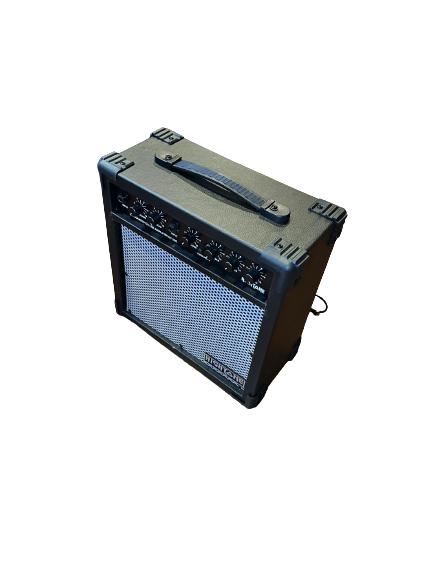
Amplifier
Hightone Two Volume Two Input with Echo Combo Amplifier
₺4.999,00

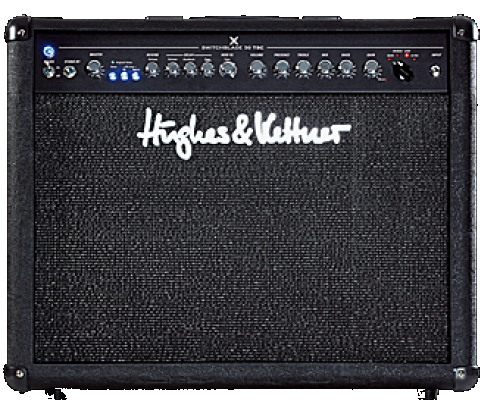
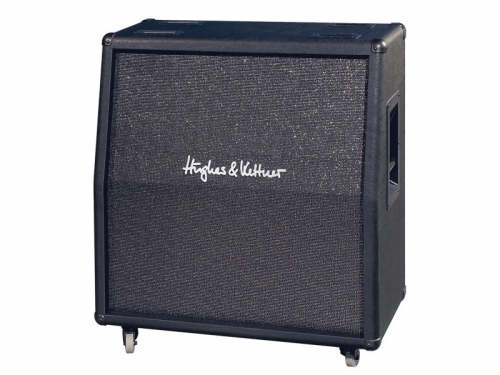
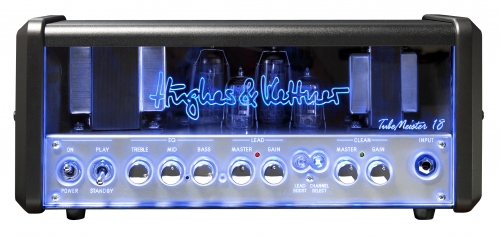
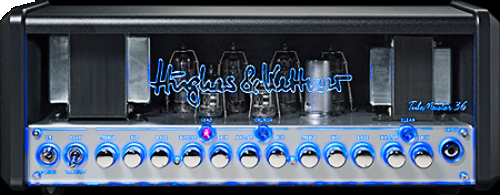
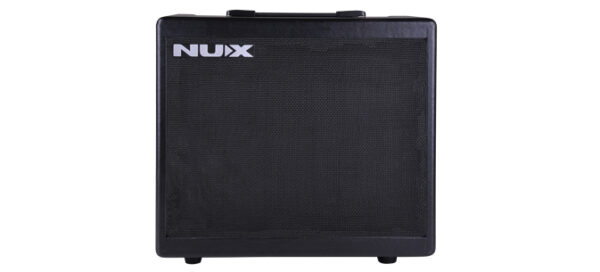
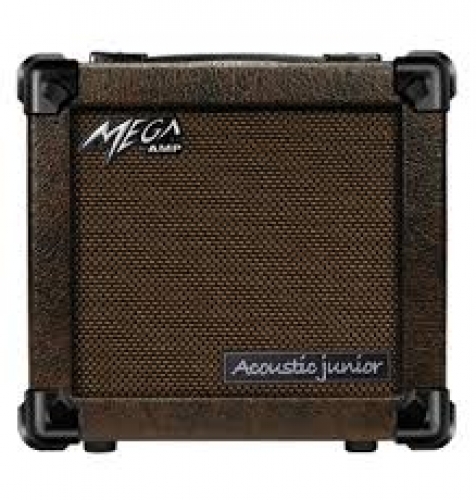
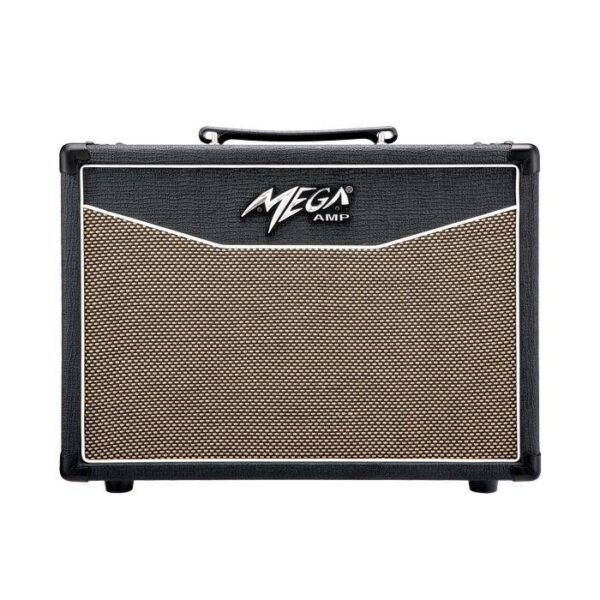
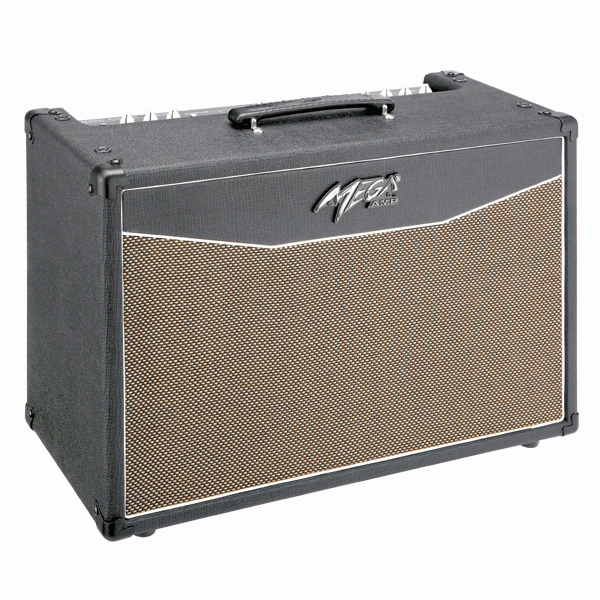
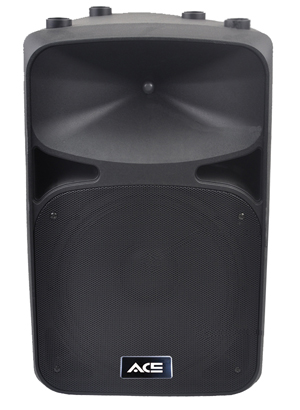
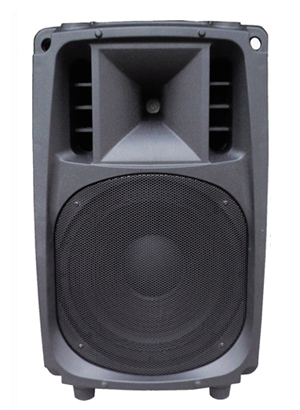
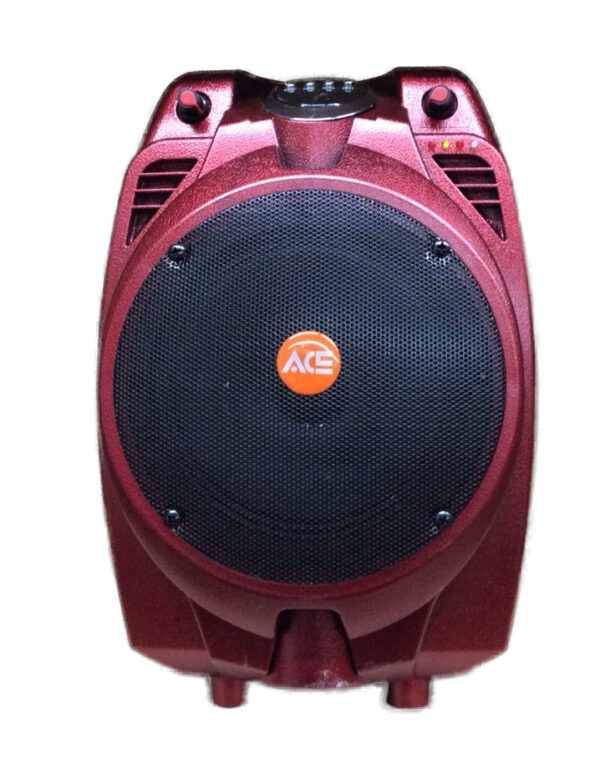
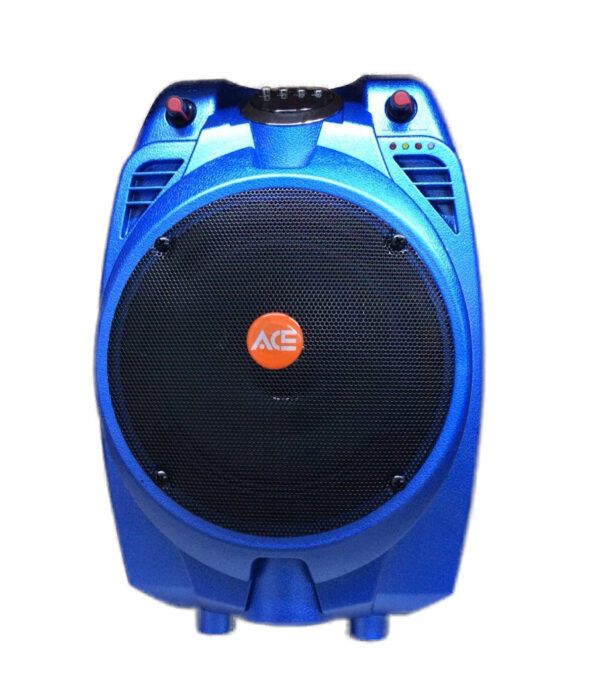
Choose an instrument amplifier around the source you want to connect and the setting in which you will play. Home practice, rehearsal with a band and live performance can call for different volume control, speakers and connections. Guitar, bass and acoustic-instrument amplifiers are designed for different needs. A power rating alone does not establish suitability or tell you exactly how loud a system will seem in a particular room.
At home, controllable low-volume sound, a dedicated headphone output or an auxiliary input may be useful. Rehearsal and stage use bring other considerations, including the ensemble, room, monitoring and any connection to a PA system. Verify the outputs and controls on the exact model. A headphone socket, recording output and speaker output serve different purposes; do not treat one as a substitute for another.
Valve, solid-state and modelling amplifiers use different designs, but those labels do not determine which sound you will prefer. Try the amplifier with an appropriate instrument and realistic settings where possible. Check the input types, speaker arrangement, power requirements and any included accessories. If using pedals, plan their power and cable connections as part of the complete setup. Start with a system that lets you hear the instrument clearly, then choose additions to meet a specific need. Contact our store for verified specifications and availability.
Oh, no. What you need is related to the environment in which you work. Speaker efficiency, cabin structure, and conditions of use also affect the level heard. Instead of a system that is too large for the house, you can consider options that you can comfortably control.
Oh, no. The relevant output must be clearly specified. Don't confuse the headphone output with the speaker output; check the panel labels and the instruction manual before connecting. If you want to register, also check the registration link.